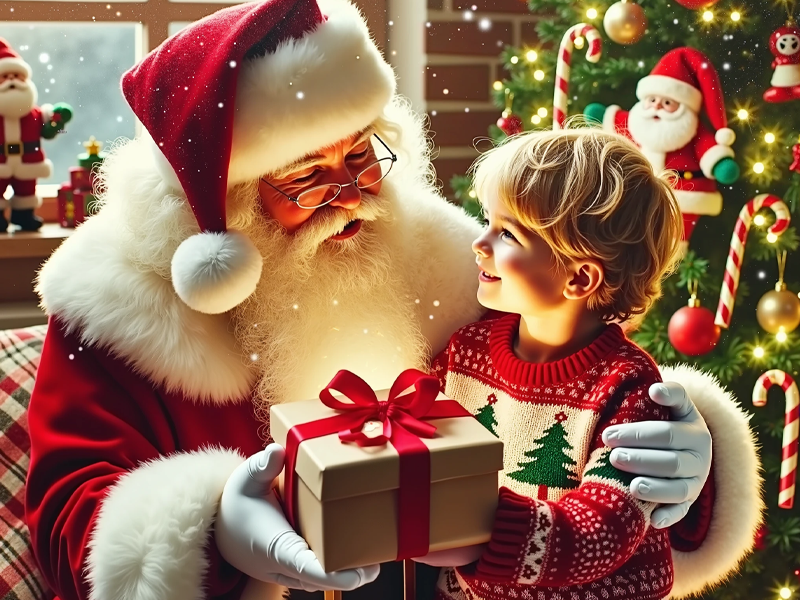
Christmas traditions often begin with excitement but fade over time as children grow older, schedules change, and interests shift. What feels magical for a five-year-old may seem childish to a teenager. That’s why many families struggle to maintain meaningful traditions that last beyond the early years.
The key to creating a long-lasting Christmas tradition is building one that evolves alongside your child’s emotional growth, interests, personality, and independence. A tradition that grows with your child can strengthen family relationships, create lasting memories, and give children something meaningful to look forward to every holiday season.
If you want to create a Christmas tradition that remains relevant for over a decade, here’s how to make it intentional, flexible, and valuable at every stage of childhood.
Why Long-Term Family Traditions Matter
Children thrive on consistency and emotional connection. Family traditions provide both. They create moments that children associate with safety, belonging, and togetherness. Long-term traditions can help:
- Strengthen parent-child communication
- Build emotional security
- Encourage reflection and gratitude
- Create lifelong memories
- Reinforce family values
- Reduce holiday stress by focusing on connection instead of perfection
More importantly, traditions that continue year after year become part of a child’s identity. Many adults still remember specific holiday rituals from childhood because those experiences carried emotional meaning beyond gifts or decorations.
Start with a Purpose, Not Just an Activity
One of the biggest mistakes families make is choosing traditions based only on entertainment. While fun matters, traditions last longer when they serve a deeper purpose. Ask yourself:
- What do I want my child to remember about Christmas?
- What values do I want to reinforce every year?
- What kind of relationship do I want to build with my child?
Some families focus on gratitude. Others focus on creativity, giving back, storytelling, faith, reflection, or quality time. When your tradition has emotional meaning, it becomes easier to maintain as your child grows older.
Choose a Tradition That Can Evolve Over Time
A successful 12-year tradition should adapt naturally to different age groups. For example:
- Young children may enjoy drawing, simple crafts, or storytelling.
- Older children may prefer journaling, photography, volunteering, goal-setting, or family discussions.
- Teenagers often appreciate traditions that respect their growing independence while still involving meaningful interaction.
Instead of creating something tied to a specific age, create a framework that can mature over time. For instance, a yearly holiday memory journal can begin with simple drawings in early childhood and later develop into written reflections, future goals, achievements, favorite memories, and personal growth milestones.
Make Reflection Part of the Tradition
Many holiday traditions focus only on celebration, but reflection adds emotional depth. At the end of each year, encourage children to think about:
- What they enjoyed most that year
- What they learned
- What challenges did they overcome
- What made them proud
- What they hope for next year
Reflection helps children:
- Build self-awareness
- Recognize personal growth
- Develop confidence
- Improve emotional communication
These conversations also give parents valuable insight into their child’s changing thoughts, interests, and needs.
Keep It Consistent, Even If It’s Simple
Consistency matters more than complexity. You do not need elaborate decorations, expensive gifts, or perfectly planned activities to create meaningful traditions. In fact, simple traditions are often the easiest to maintain for many years. A tradition could be:
- Baking the same dessert together every Christmas Eve
- Writing yearly family letters
- Watching home videos from previous holidays
- Creating handmade ornaments
- Taking annual family photos
- Sharing favorite memories from the year
- Volunteering together during the holiday season
The emotional consistency is what children remember most.
Allow Your Child to Contribute Ideas
A tradition that remains completely controlled by parents may eventually lose relevance as children mature. Giving children ownership helps keep the tradition engaging and meaningful. As your child grows older:
- Ask what parts they enjoy most
- Let them help plan activities
- Encourage them to introduce new ideas
- Allow traditions to adapt naturally
This creates collaboration instead of obligation. Children are more likely to stay emotionally invested in traditions when they feel included in shaping them.
Document the Journey Over the Years
One reason long-term traditions become so meaningful is that they create a visible record of growth. Keeping memories organized can make the experience even more rewarding later. You can preserve:
- Family photos
- Holiday letters
- Drawings
- Recorded messages
- Journals
- Achievement milestones
- Favorite holiday moments
Years later, these memories become powerful reminders of how much your child has changed emotionally, academically, socially, and personally. For many families, revisiting old holiday memories becomes just as meaningful as creating new ones.
Focus on Connection Instead of Perfection
Modern holiday culture often creates pressure to make every Christmas bigger, busier, and more expensive. But children rarely remember whether decorations were flawless or gifts were extravagant. What they remember most are moments of emotional connection:
- Feeling listened to
- Spending uninterrupted time together
- Laughing as a family
- Feeling valued and included
A tradition built around genuine connection is far more likely to survive through childhood and adolescence.
Adapt as Life Changes
No family remains exactly the same for twelve years. Children grow up. Schedules change. Interests evolve. Unexpected life events happen. The strongest traditions are flexible enough to survive those changes.
If your original format no longer works, adjust it rather than abandoning it entirely. The goal is not rigid perfection. The goal is to preserve the emotional core of the tradition.
Even small adjustments can help a tradition remain meaningful across different stages of family life.
Final Thoughts
Starting a 12-year Christmas tradition is not about creating a perfect holiday experience. It is about building a lasting emotional connection that grows stronger as your child grows older.
The best traditions evolve naturally, encourage meaningful interaction, and create space for reflection, communication, and shared memories. Over time, these yearly moments become more than seasonal activities. They become part of your family’s story.
When children look back years later, they may not remember every gift they received, but they will remember the traditions that made them feel loved, supported, and connected every Christmas season.